When it comes to the history and theory of animation, the area that interests me the most is animation technology. Throughout my academic career, I’ve encountered various methods for creating animation. Animation is a captivating and diverse art form that appeals to audiences and is suitable for people of all ages and backgrounds.
3D animation stands out as the most popular and well-known animation technique today. It achieves a more realistic quality in films through modeling and rendering, providing audiences with a more immersive viewing experience. From the intricately designed characters in Disney and Pixar films to the vast landscapes in Hollywood movies, 3D modeling and rendering technologies have revolutionized the animation industry.
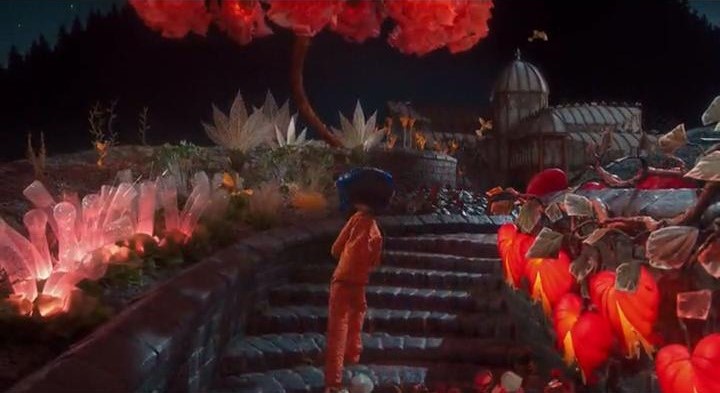
Stop-motion animation, in my opinion, is the most unique among all animation techniques. It involves manipulating real-world objects frame by frame, such as clay and paper, and animating them before capturing and synthesizing them with a camera. From the iconic characters in “Wallace and Gromit” to the eerie and fantastical scenes in “Coraline,” stop-motion animation continues to captivate audiences of all ages with its distinctive charm.
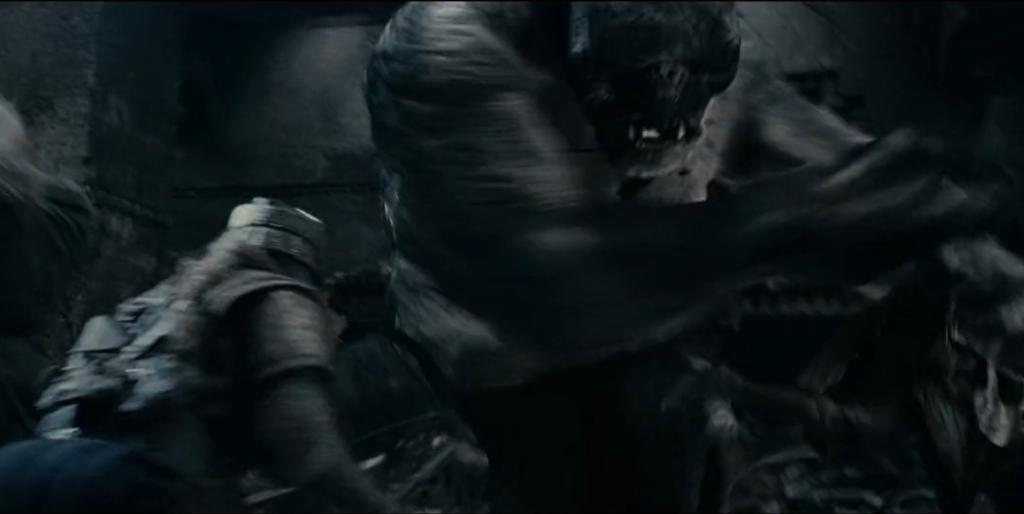
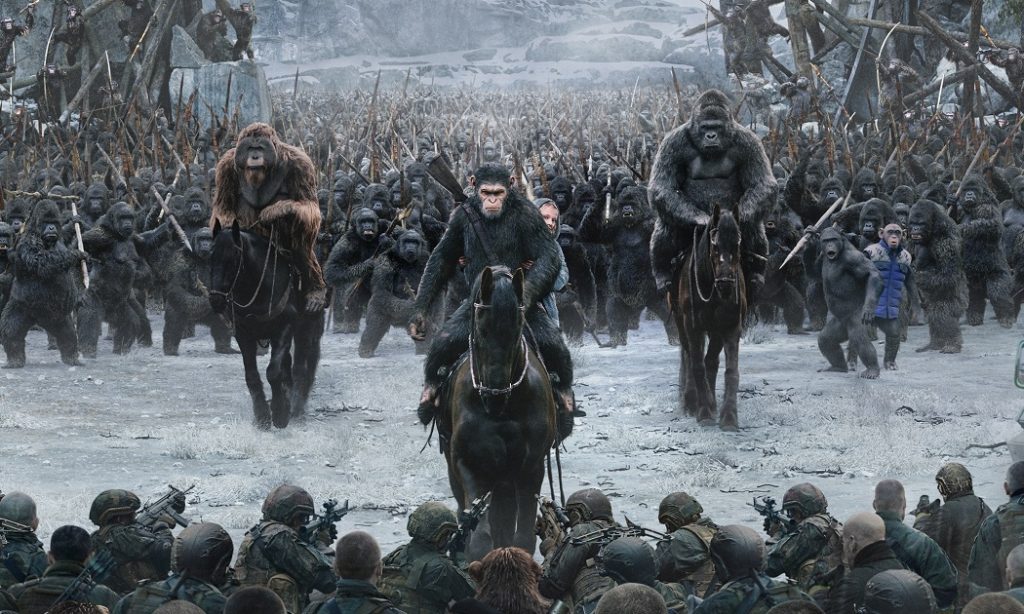
Motion capture represents a more advanced animation technology today. It involves capturing the movements of real actors wearing sensor-equipped suits and applying them to animated characters. This technology brings realism and fluidity to animations and significantly enhances production efficiency. I’ve had the opportunity to explore motion capture courses in recent years and have developed a keen interest in it. Films like “The Lord of the Rings” trilogy and “Planet of the Apes” have utilized motion capture, showcasing its immense potential in character creation.
Traditional animation techniques are hand-drawn, which is the 2D animation I’m most familiar with at present. It involves drawing frame by frame on paper or a digital tablet. Hand-drawn animation has a rich history and remains a beloved technique in the animation field. It requires animators to have a deep understanding of animation principles, as well as patience and keen attention to detail.
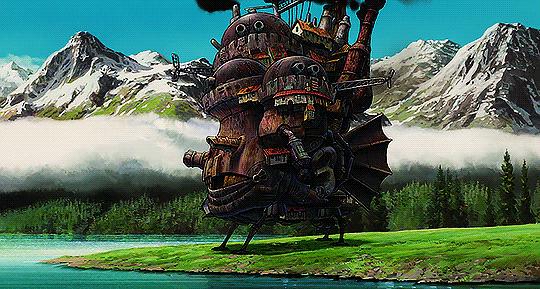
Based on my research, regardless of the technique used, animation is a time-consuming endeavor. Hand-drawn animation and stop-motion animation, in particular, require meticulous attention to detail and can be quite time-intensive. While 3D animation may be faster, it often involves dealing with challenging software bugs.
I’ve also learned that it’s possible to mix various techniques in the animation production process. In fact, many animated films have employed a combination of different animation techniques to achieve their desired visual styles. Mixing and matching techniques can lead to innovative and captivating results.
These are my research findings and viewpoints on animation technology.
Tianyu Wei