Regarding this group collaboration, I have been assigned the role of a scene designer. Initially, I was very excited about this collaborative project because I love social interactions and have been involved in multiple group projects during my previous academic career. Since I aspire to work in an animation company in the future, smooth collaboration with teammates is a necessary skill for me.
Since my teammates haven’t assigned me specific tasks yet, I plan to integrate my scene designs with their character designs once they are completed. Currently, I’m focusing on practicing scene painting, and I’ll discuss my ideas and design sketches with my teammates later. While I excel in character design, I have limited experience in scene design, so I conducted research online about animation scene design. For 2D animation, the backgrounds in Hayao Miyazaki’s animations are excellent examples, characterized by a fairytale and dreamy atmosphere.
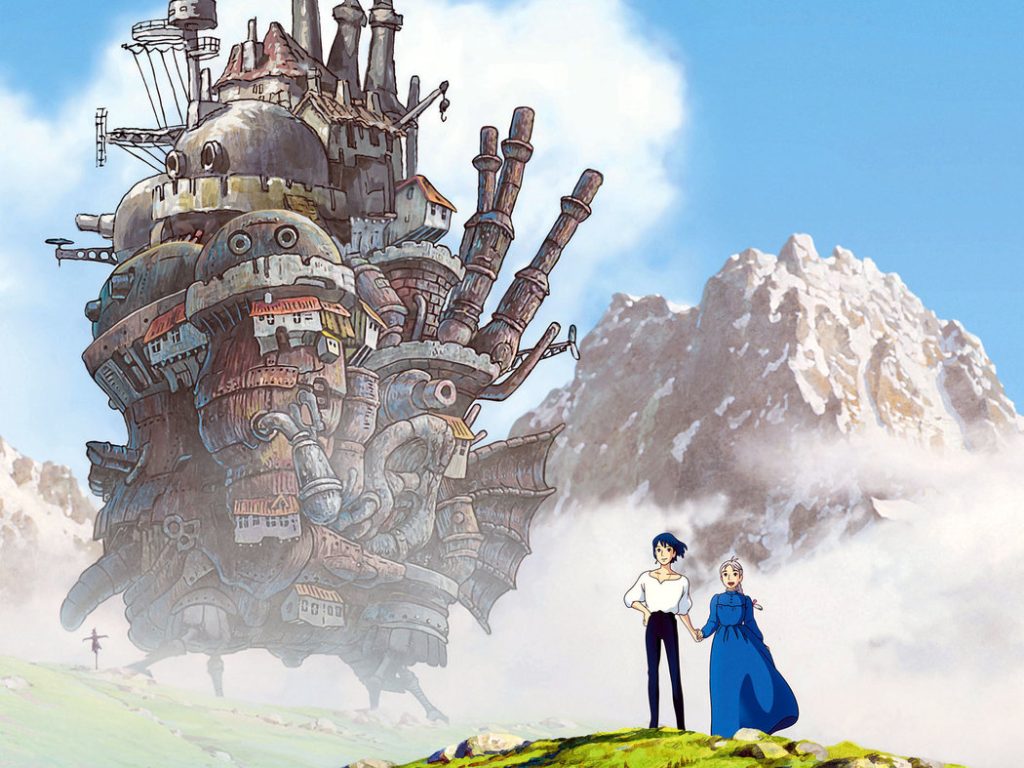
Therefore, I sought inspiration from Miyazaki’s animations and studied his compositions. Miyazaki’s animation scenes are typically known for their exquisite artwork and smooth animation techniques. He pays attention to detail and values the intricacies of characters, animals, natural landscapes, and background details. Miyazaki often incorporates elements of ancient Japanese and traditional culture, such as mythology, folk tales, and traditional architecture, into his works. He skillfully integrates these elements into the storyline and scene design, presenting to the audience a world full of fantasy and mystery. Hence, I believe the backgrounds I aim for should first reflect the characteristics of the characters and incorporate elements from the characters into the scenes, harmoniously appearing in the same frame while maintaining scene details.
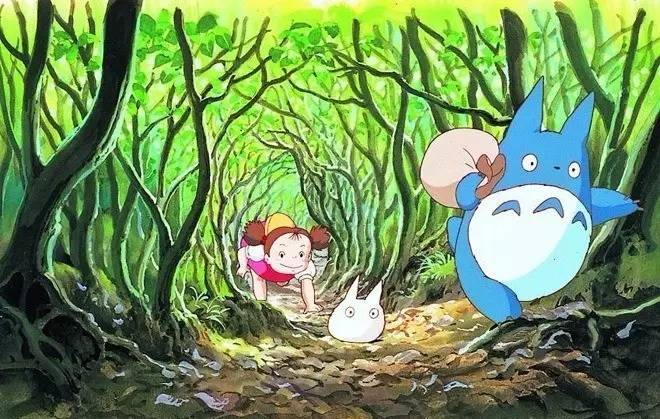
Firstly, I determine the theme of the scene and the background style I want to convey. Before starting the formal drawing, I usually sketch roughly to plan the basic composition of the scene. If the scene requires perspective, I ensure the correct setting of the vanishing point and perspective lines to make the background look natural and realistic. For backgrounds in animation, I consider adding some dynamic elements during the drawing process, such as leaves swaying or clouds moving, leaving some space for later adding animation effects. When drawing background animations, attention should be paid not only to details and techniques but also to creativity and imagination, making the background part of the story and providing a deeper immersion for the audience.
After completing this research, I began practicing by sketching scenes before communicating with my group members. This way, after understanding the steps and thought process behind scene painting, I could more effectively fulfill my teammates’ requests.
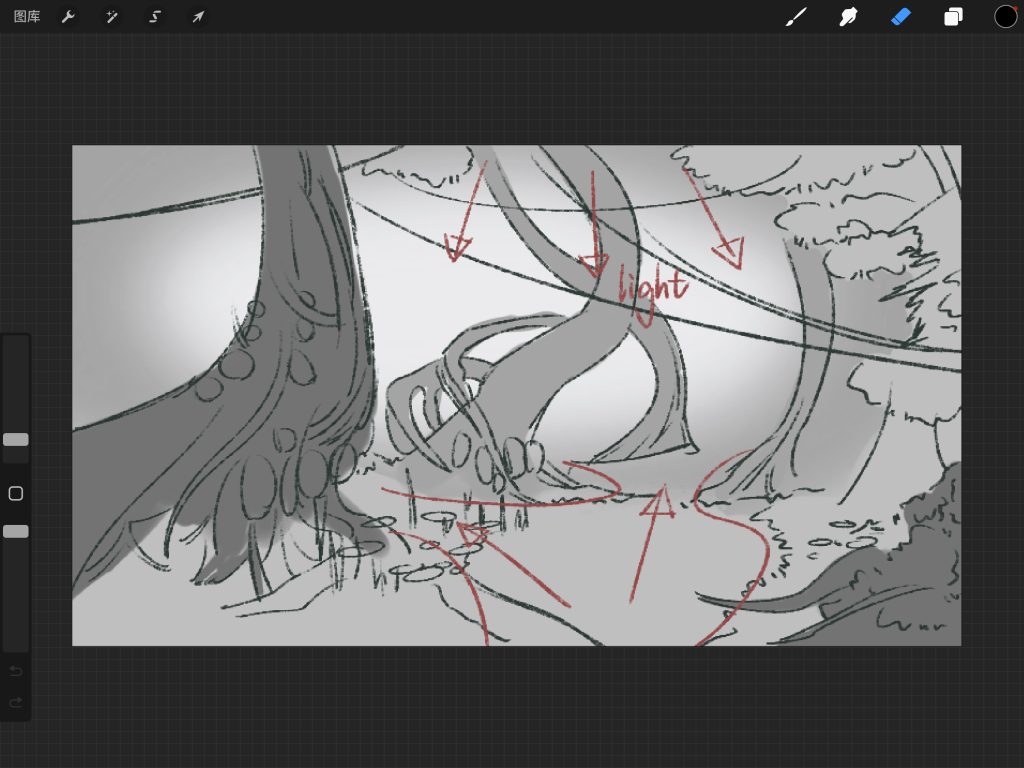
This is the experience and theory I gained through this group cooperation.
Tianyu Wei